Your Website Can't Rank If Google Can't Read It.
Crawl errors, slow load times and missing schema kill conversions on the exact searches that matter most. We audit the technical foundation everything else depends on. We work exclusively with mold remediation and waterproofing contractors.
Most contractor websites have technical issues they don't know about.
Most contractor websites were built on a basic setup, patched with random plugins over the years and never properly looked at under the hood. By the time we see one, the problems are already there: pages Google skips entirely, load times pushing 5 to 7 seconds on mobile, code that's broken or just missing and location pages that are word-for-word the same except for the city name swapped in.
None of that shows up when you open the site yourself. It looks fine. But a page can look completely normal to a person and be completely broken to Google at the same time. If Google can't read it, the page isn't ranking. It's not bringing in calls. It doesn't exist in search.
We go through the technical foundation before anything else, because publishing new content on a site Google can't navigate is wasted effort.
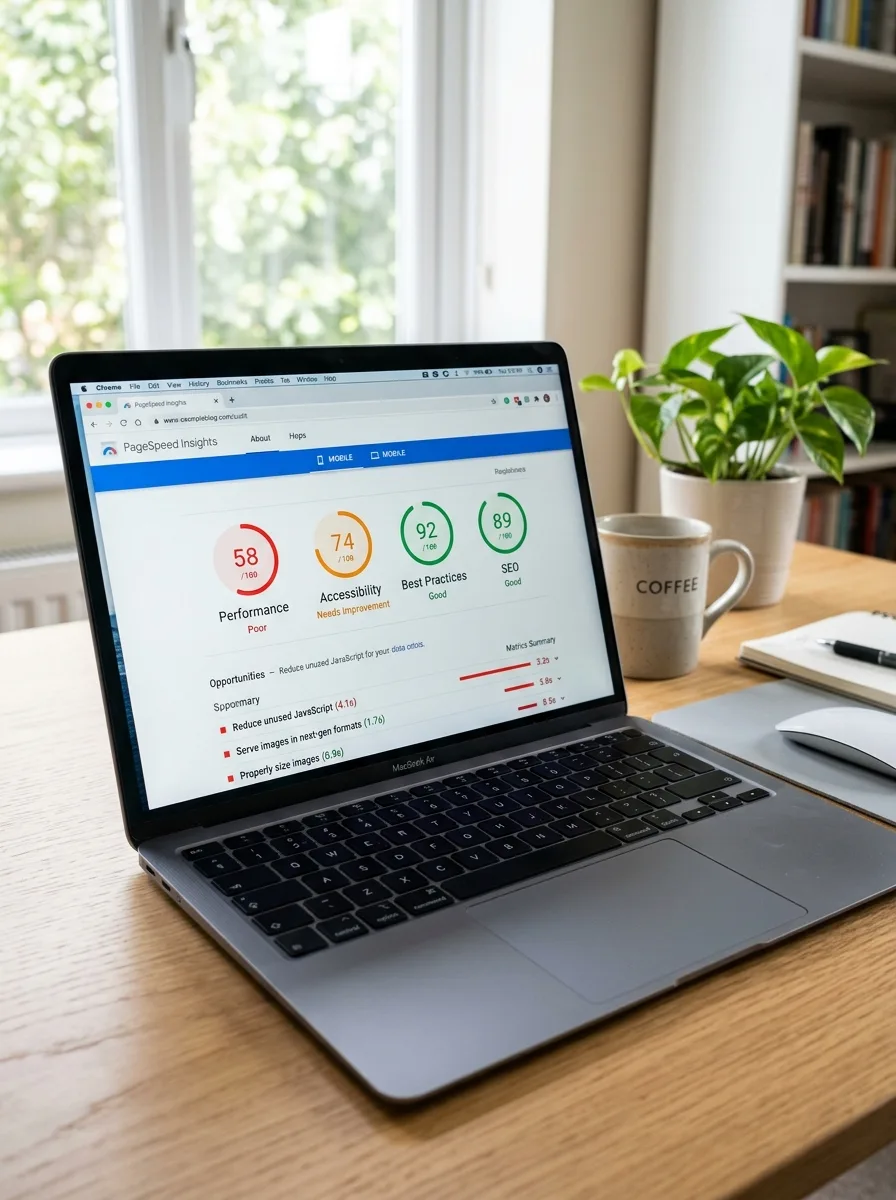
"We didn't know 14 of our service pages were completely deindexed. Google couldn't crawl them at all. We found out in the first audit. Rankings moved within six weeks."
Emergency searches have zero tolerance for slow sites.
Mold and waterproofing searches aren't comparison shopping. The homeowner who types "mold remediation near me" at 11pm after finding water damage isn't browsing options. They need someone right now. The first site that loads and gives them a clear answer gets that call. Four seconds is too long. They're already gone.
Google watches what happens next. High bounce rates on slow pages feed a quality signal that compounds over months. Rankings drift down on pages that consistently lose mobile visitors before they engage. The urgency that makes your niche valuable is the same thing that makes page speed matter more here than in most trades.
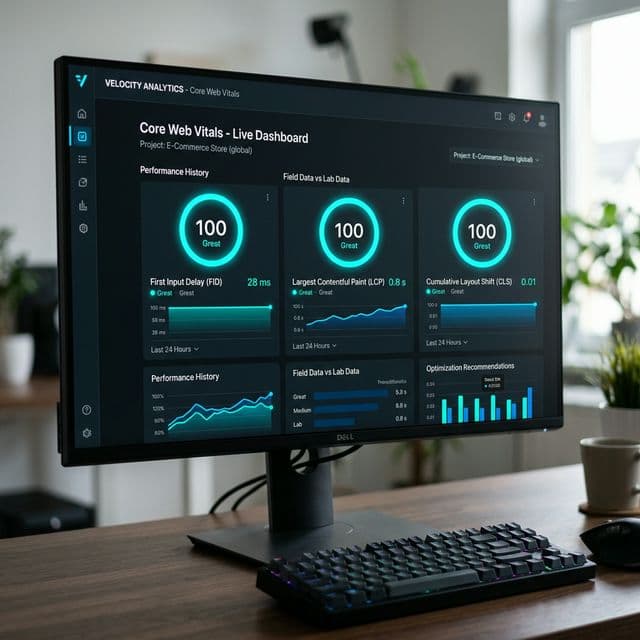
Our builds use Next.js, where performance is built into the framework, not added with plugins after the fact. No WordPress plugin stack dragging load times. No theme CSS blocking content from rendering before it fires. No page builder scripts delaying display. The Core Web Vitals scores hold as the site scales.
Four layers. Built for emergency-service contractor sites.
Every technical SEO engagement covers all four of the following. These are the components that suppress contractor site rankings and the fixes that restore them.
Crawl and Index Analysis
Google's crawler has to find, read and index your pages before any ranking can happen. Most contractor sites have pages blocked by robots.txt errors, orphaned service pages with no internal links, duplicate URLs caused by tracking parameters and pagination issues on blog archives that waste crawl budget. We run a full crawl analysis using the same signals Google's bot sees, identify every problem, and resolve them in order of ranking impact. If Google can't read your site, nothing else we do matters.
Technical SEO is the foundation local SEO builds on. See our Local SEO service.
Core Web Vitals and Site Speed
Core Web Vitals are the three performance metrics Google uses to score page experience: Largest Contentful Paint (how fast the main content appears), Interaction to Next Paint (how quickly the page responds to a tap or click) and Cumulative Layout Shift (whether content jumps around as the page loads). Most contractor sites built on WordPress themes fail at least two of these. We identify and fix the specific issues: render-blocking scripts, unoptimized images, server response times, third-party tag loading. On our Next.js builds, Core Web Vitals targets are met from deployment. No patching required.
Schema Markup and Structured Data
Schema markup is machine-readable code that tells Google exactly what your business is, what services you offer and where you operate. Most contractor sites have no schema at all. The ones that do often have it broken. A LocalBusiness block copied from a template with placeholder data still in place, or Service schema that lists no actual services. We implement the full stack: LocalBusiness, Service, FAQPage and BreadcrumbList schema, correctly structured and validated. Correct schema gives Google structured signals that plain page text cannot match. It also feeds the AI-generated search features that are increasingly appearing above the standard results.
Schema markup connects technical SEO with the on-page optimization layer. See our On-Page SEO service.
Mobile Technical Optimization
Over 70 percent of emergency service searches come from a mobile device. If your site loads slowly, breaks on a small screen, or fires a consent wall before showing content, those leads are gone. Google indexes the mobile version of your site first, not desktop. Every technical decision we make starts from that perspective: how it renders, how fast it loads and whether anything gets in the way before the visitor can act.
A technical audit before anything else. Always.
Technical Audit
We crawl your site the way Google does. Every URL, every response code, every internal link. We produce a full inventory of crawl errors, index coverage gaps, page speed failures, schema problems and mobile rendering issues. You see exactly what is broken and why before we start any fixes.
Priority Triage
Not every technical issue has equal ranking impact. We rank the findings by severity: what's actively blocking rankings now versus what's lower-priority hygiene. The fix plan sequences accordingly. The highest-impact issues are resolved first.
Core Remediation
We fix the technical foundation: crawl errors, indexation gaps, robots.txt configuration, canonical tags and internal link architecture. These are the issues that prevent Google from properly seeing your site in the first place.
Speed and Schema Implementation
With the foundation clean, we optimize Core Web Vitals: image compression, script loading order, server response improvements, caching configuration. Then we implement the full schema markup stack. LocalBusiness, Service, FAQPage and BreadcrumbList, all validated against Google's schema testing tools.
Ongoing Monitoring
Google Search Console monitoring for new crawl errors, Core Web Vitals score tracking and monthly technical health reports. As the site grows, we keep the technical foundation clean. New service pages, new location pages, new content: all monitored. Technical debt accumulates fast on sites that aren't monitored.
Questions about technical SEO.
What is technical SEO for contractor websites?expand_more
How do I know if my contractor website has technical problems?expand_more
Most contractor websites have problems the owner doesn't know about because the site looks functional in a browser. Common issues include pages Google cannot crawl or index, load times over 3 seconds on mobile, missing or broken schema markup, duplicate content across service area pages and scripts that block page rendering. If your rankings are flat despite adding content or getting reviews, a technical problem is usually the reason. A crawl audit will find it.
How much does page speed affect my site's rankings?expand_more
Page speed is a confirmed Google ranking factor, and it hits harder in emergency-service niches than almost anywhere else. Someone searching for mold remediation after finding water damage will not wait for a slow site. They'll hit back and call whoever loads next. Google tracks that bounce signal and uses it to evaluate page quality over time. Most contractor sites built on WordPress themes fail two or more Core Web Vitals metrics. The fix is different for every site, but it almost always involves image optimization, script management, and caching configuration.
What schema markup does a mold remediation or waterproofing company need?expand_more
At minimum: LocalBusiness schema with your address, phone, service area, and hours, plus Service schema on each service page. More complete implementation adds FAQPage schema for People Also Ask visibility, BreadcrumbList for navigation signals and Review schema if you display testimonials. Most contractor sites have no schema. The ones that do typically have template placeholders in place of real data. Correct, validated schema gives Google structured information about your business that plain page text cannot provide. Correct schema also feeds the AI answer features appearing above organic results.
Is a WordPress website bad for technical SEO?expand_more
Not inherently, but most contractor WordPress sites accumulate technical problems over time: plugin conflicts, theme bloat, unoptimized images, weak caching. The platform puts performance responsibility on the site owner, who usually has no way to see what's causing the problem. Our builds use Next.js, which handles performance at the framework level. Server-side rendering, automatic image optimization and clean code output are built in from day one, not added later with plugins. The Core Web Vitals difference between a well-built Next.js site and a typical contractor WordPress site is significant.
How much does technical SEO cost for a contractor website?expand_more
Technical SEO is included in our retainers. There's no standalone technical audit product. We audit your current site as the first step of any engagement, before you commit to anything ongoing. The audit comes before the invoice. If we find nothing worth fixing, we'll tell you. That hasn't happened yet.
Check if your territory is available.
We work with one contractor per market. Once a territory is claimed, we won't work with your competitor in that area. If yours is still open, a 20-minute call is all it takes to find out what we're seeing in your market.