Pages that cover your whole territory. Live before your competitors react.
Most contractors rank in one city. Everywhere else, they don't exist. We build service area pages across your whole territory and get storm content live within hours of a weather event, before storm chasers show up in your market.
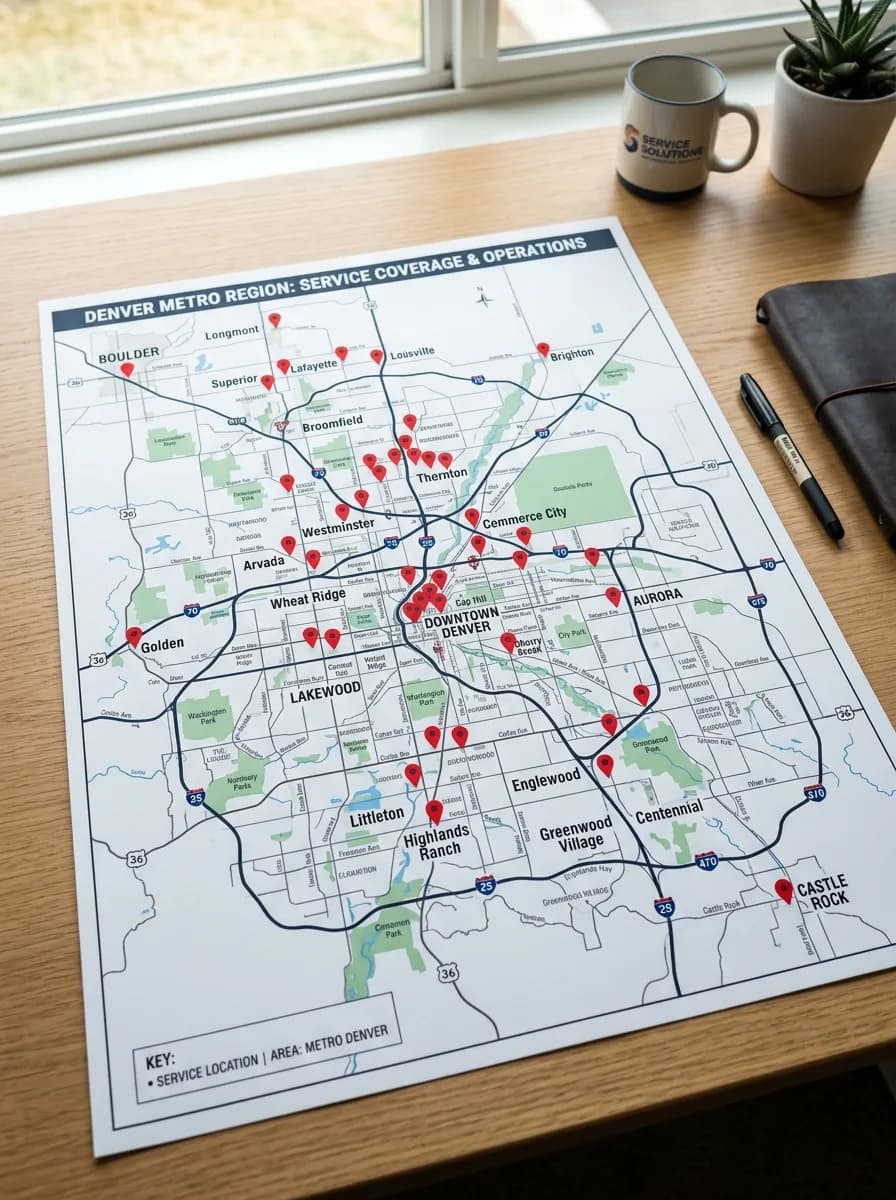
You serve 30 cities. You rank in one.
Most mold remediation and waterproofing contractors cover a metro area. Sometimes 30, 40, 50 cities from a single location. But the website only ranks in the home city. Google doesn't know they serve the others. So the jobs go to whoever built pages for those markets.
It's not complicated to fix. Just time-consuming to do right. Every city needs its own page built around real keywords for that area, not a copy-paste with the city name changed. Google can tell. Thin pages don't rank.
We build every service area page around what homeowners in that city are actually searching. Not "We proudly serve Tampa." Pages that rank for "mold remediation Tampa," "basement waterproofing Clearwater," and the other terms spread across your territory.
The version that actually ranks.
There's a version of service area pages that wastes everyone's time. You've seen them: same page, same copy, "We serve [City]" swapped in. Google treats them like spam.
You start showing up in cities 40 miles away, not just the one you work out of.
Location pages are one component of the full local SEO stack — see how Map Pack rankings work alongside them.
Storm content live before the first adjusters arrive.
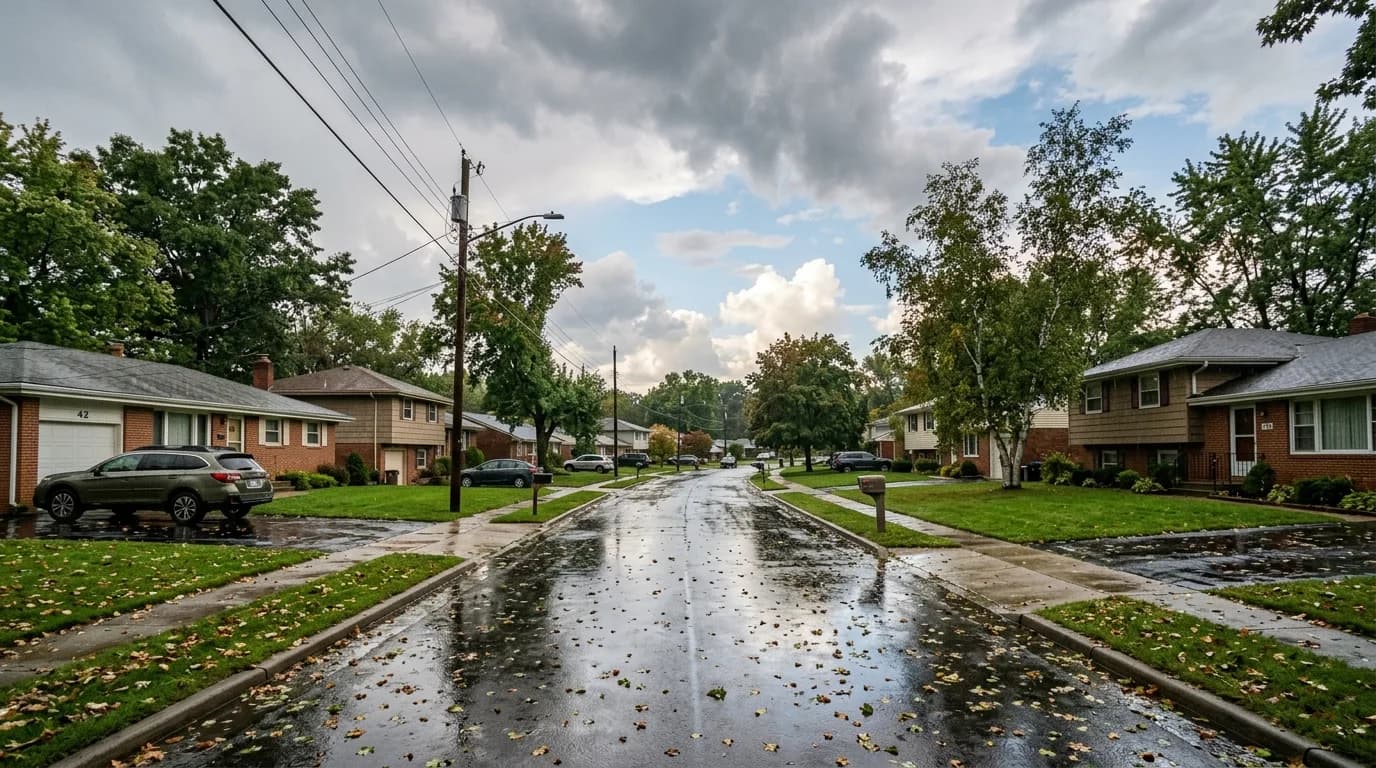
Hurricane season is predictable. A Cat 3 tracks toward the Gulf Coast three days before landfall. That window is the highest-demand period in mold remediation and waterproofing. Homeowners are already searching before the storm hits. If your site has relevant content ready, you get the calls. If it doesn't, storm chasers from 800 miles away who spun up emergency pages overnight do.
We monitor active weather events, flood forecasts, and tropical storm tracks across the Southeast, Gulf Coast, and Mid-Atlantic. When an event creates demand in a client's territory, we build and deploy emergency content for that specific market within hours. The page is live before most agencies have even flagged the event as relevant to their client.
We built this in from the start. The Next.js build makes it possible. Deploying a new page takes an hour, not a day-long CMS production. We haven't seen another agency doing this for mold or waterproofing clients.
Storm season runs May through November across the Gulf Coast and Southeast. Contractors with emergency content infrastructure in place before it starts get the calls. The ones who build it in August watch storm chasers work their markets for another season.
Storm season doesn't wait.
Check if your territory is still open before peak season hits.
Check your territoryNew pages live in hours, not queued behind a week-long CMS ticket.
On WordPress, adding a page means logging in, fighting the editor, dealing with plugin conflicts, and waiting for whoever manages the site. Two days if you're lucky.
On Next.js, a new page is a new file. No editor, no plugin overhead. Write it, push it, it's live. For a contractor covering 30 cities, that's 30 targeted location pages live inside a week.
A weather event opens a 48-hour window of elevated search demand. The agency that publishes first gets the traffic. Two days versus an afternoon is often the whole margin.
This speed is possible because of the Next.js infrastructure your site is built on. See Contractor Websites for how the full build works.
Your territory may still be open.
One contractor per market. If yours is available, now is the time.
"Every lead we get from Google is exclusive. Nobody else is quoting the same customer at the same time. That's what changed."
How we build your content footprint.
Territory Mapping
We map every city and suburb in your service area against real search volume data to find where the demand actually is. We prioritize those first and build out.
Page Architecture
Every location page gets its own keyword target, URL structure, and content built from scratch. No templates with city names swapped in.
Build and Deploy
Pages go live in batches on the Next.js infrastructure. Emergency content goes live within hours when a weather event hits. Each page is indexed from day one with schema and internal links in place.
Ongoing Expansion
As rankings build, we identify the next cities worth targeting. Before storm season, we review which markets are most exposed and brief emergency content ahead of time so it's ready to deploy fast.
Questions about location pages and content at scale.
What's the difference between a real location page and a thin doorway page?expand_more
How many location pages do we need?expand_more
How do you know when to deploy storm content?expand_more
Do location pages compete with my main service pages?expand_more
Does this work if I only serve one city?expand_more
Check if your territory is available.
We take one contractor per market. Once a territory is taken, it stays taken. If yours is still open, find out now.
Check your territory